In short, functional testing and diagnostic testing serve different purposes in healthcare.
- Diagnostic testing is reactive, focusing on naming a specific disease or condition once symptoms are present.
- Functional testing is proactive, aiming to uncover imbalances and dysfunctions before they develop into disease.
- The key difference lies in their goals. Diagnostic testing seeks a diagnosis, while functional testing provides a personalized roadmap to optimize your health.
Both approaches are essential, but they work best when used in tandem, depending on individual health needs. While diagnostic testing addresses immediate concerns, functional testing empowers individuals with insights to take preventative measures. Together, they form a comprehensive strategy for achieving and maintaining optimal health.
What is Functional Testing Near Me and How Does It Help You?
Functional testing is a proactive approach to healthcare that evaluates how your body’s systems are working. Unlike traditional diagnostic tests, which aim to confirm a specific disease, functional testing identifies imbalances, deficiencies, and dysfunctions that may cause chronic symptoms or prevent you from feeling your best. For example, functional testing can assess:
- Metabolic pathways to understand energy production.
- Nutrient levels to detect deficiencies like low magnesium or B vitamins.
- Gut health to identify issues like dysbiosis or leaky gut syndrome.
- Detoxification capacity to evaluate how well your body eliminates toxins.
By focusing on optimal function rather than just disease thresholds, functional testing provides a roadmap for personalized treatment plans that address the “why” behind your symptoms.
How Does Functional Testing Differ from Diagnostic Testing?
While both functional and diagnostic testing are valuable, they serve different purposes:
- Diagnostic Testing: Aims to identify and name a specific disease or condition, such as diabetes or strep throat, based on established criteria.
- Functional Testing: Looks beyond disease markers to assess optimal ranges for biomarkers, helping detect dysfunctions before they escalate into diagnosable conditions.
For instance, functional testing for coronary artery disease might evaluate blood flow and heart muscle function, offering insights that go beyond anatomical imaging. This proactive approach can help you address potential issues early, improving long-term health outcomes.
The Root Cause Approach to Health
Functional testing operates on the principle that symptoms are often the tip of the iceberg, signaling deeper imbalances within your body. According to NIH, instead of masking symptoms with temporary fixes, this approach seeks to identify and address the root causes of your health challenges.
Functional medicine uses functional testing to understand how your body’s systems are interconnected. This holistic approach empowers you to take control of your well-being by aiming for long-term health improvements. A study by the Cleveland Clinic found that this method can lead to a better quality of life for patients.
Who Can Benefit from Functional Testing?
Functional testing is ideal for anyone seeking a personalized approach to health, but it’s especially beneficial if you:
- Experience chronic, unexplained symptoms that haven’t been resolved through conventional methods.
- Want to proactively manage your health and prevent future illnesses.
- Struggle with complex conditions like autoimmune diseases, digestive disorders, hormonal imbalances, or chronic pain.
Whether you’re dealing with persistent fatigue, digestive issues, or simply want to optimize your overall well-being, functional testing can provide the insights you need to take actionable steps toward better health.
Common Health Concerns Addressed by Functional Testing
Functional testing can uncover hidden factors contributing to a wide range of chronic conditions, including:
- Chronic Fatigue Syndrome: Investigates mitochondrial dysfunction, nutrient deficiencies, and adrenal stress.
- Digestive Disorders: Identifies gut dysbiosis, food sensitivities, and malabsorption issues linked to conditions like IBS or Crohn’s.
- Hormonal Imbalances: Evaluates adrenal function, thyroid health, and sex hormones.
- Autoimmune Conditions: Explores inflammatory markers, gut permeability, and immune system regulation.
By addressing these underlying issues, functional testing helps create targeted treatment plans that restore balance and improve quality of life.
The Functional Testing Process Explained
Your journey with functional testing near you begins with a detailed consultation with a healthcare provider specializing in this approach. Here’s what to expect:
- Comprehensive Health History: Your provider will discuss your symptoms, lifestyle, and medical history to determine the most appropriate tests.
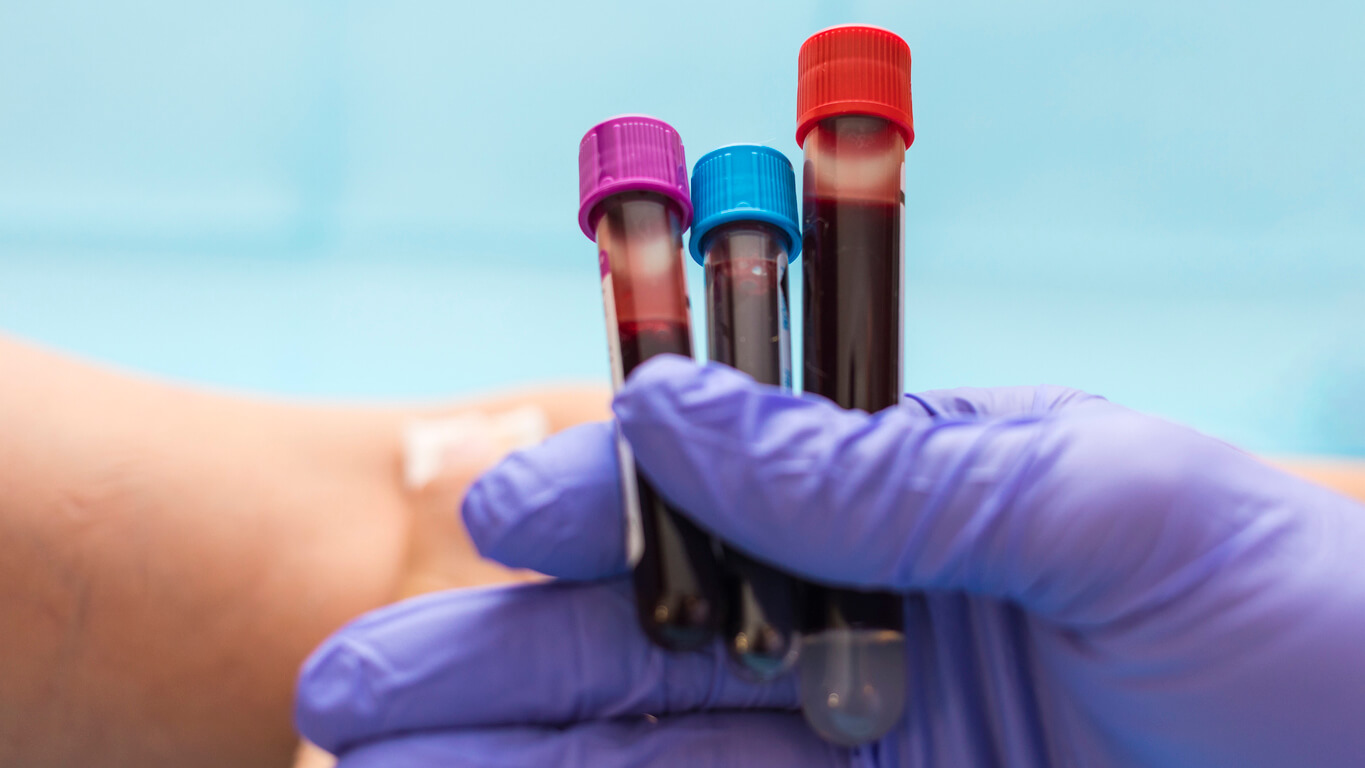
- Sample Collection: Tests may involve blood, urine, saliva, or stool samples, which can often be collected at home or in a lab.
- Detailed Analysis: Results are interpreted by a trained practitioner who focuses on optimal functional levels rather than just “normal” ranges.
- Personalized Treatment Plan: Based on your results, your provider will recommend targeted interventions, such as dietary changes, supplements, or lifestyle modifications.
This process ensures that your treatment plan is tailored to your unique needs, empowering you to take charge of your health.
Why Consider Functional Testing Near You?
If you’re looking for functional testing near you, you’re likely ready to take a more personalized and proactive approach to your health. Functional testing offers several benefits, including:
- Early Detection: Identifies imbalances before they develop into chronic conditions.
- Personalized Care: Tailors treatment plans to your unique biochemistry and genetic predispositions.
- Long-Term Wellness: Helps prevent disease progression and supports sustained health improvements.
Discover Functional Testing Near Fort Worth, Texas
At Texas Medical Institute, we specialize in functional testing near you to help you uncover the root causes of your health challenges. Our team is here to provide high-quality, patient-focused care tailored to your unique needs.
Call us at (817) 615-8633 or use our convenient online form to schedule a consultation. Let us help you achieve optimal health and wellness through personalized, evidence-based care.
Frequently Asked Questions
What is Functional Testing Near Me?
Functional testing focuses on identifying the underlying causes of health issues by evaluating how your body’s systems are working together. At Texas Medical Institute, we use advanced diagnostic tools to assess areas such as metabolic function, hormone levels, and musculoskeletal health. This helps us create a comprehensive plan to address your specific concerns.
How is Functional Testing Near Me Different from Standard Diagnostic Testing?
Unlike standard diagnostic tests that often focus on identifying a specific disease or condition, functional testing examines the interactions between various systems in your body. This holistic approach enables us to uncover imbalances or dysfunctions that may not be detected through traditional methods.
When Should I Consider Functional Testing?
Functional testing is ideal for individuals experiencing persistent symptoms like fatigue, chronic pain, or digestive issues that haven’t been resolved through standard medical care. It is also beneficial for those seeking a proactive approach to their health and wellness.
Our team in Fort Worth, Texas, is here to guide you in determining whether functional testing is right for you.
Are Functional Doctors Covered by Insurance?
While insurance coverage for functional medicine can vary, many patients are able to get reimbursement for their visits. We recommend checking with your provider to understand your specific coverage options.
What Is the Average Cost of a Functional Medicine Doctor?
The cost can vary depending on the services you require. Initial consultations, follow-up visits, and specialized tests will all have different fees. We recommend inquiring about costs upfront to understand your financial commitment.